Water Pressure Issues: Causes, Fixes, and When to Call a Plumber
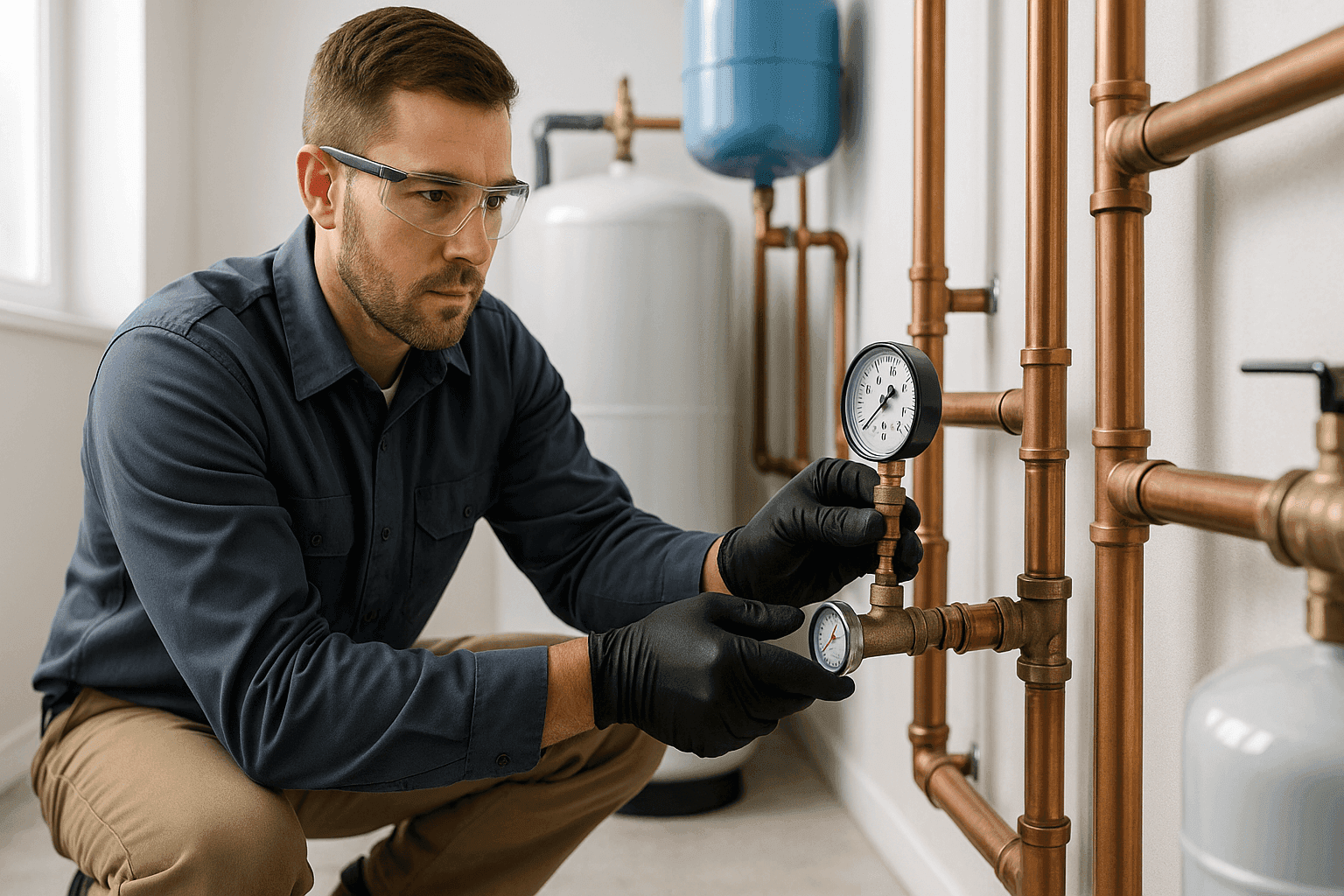
Water pressure problems. They sneak up when you least expect them. One moment your shower is a waterfall—the next, it’s barely a drizzle. Or maybe your faucet coughs and sputters like an old car. If you’ve ever wondered if you should just ignore it or if it’s about to turn into an emergency plumbing nightmare, you’re not alone.
At Sky High Plumbing, we know firsthand how water pressure issues can disrupt your home or business. We’ve helped countless families and companies—from urgent leak repairs to precise water heater installations—get back to normal, fast. Let’s make sure you know what to look for, what you can safely try, and when it’s time to reach out for professional help.
What Causes Water Pressure Problems? 🚿
Water pressure troubles don’t play favorites. They hit homes and businesses alike. Sometimes the clues are obvious, sometimes you have to dig a little deeper.
Common Culprits
- Clogged Pipes: Like arteries with cholesterol, pipes can narrow from mineral buildup (think hard water scale), rust, or debris.
- Leaks: Even a pinhole leak lets water escape, lowering pressure throughout the line.
- Faulty Fixtures: Old or failing faucets, showerheads, or valves can choke flow.
- Municipal Supply Issues: Sometimes it’s not you—it’s the city’s supply or maintenance work.
- Pressure Regulators: These devices, usually tucked near your main shut-off, can fail or drift out of calibration.
- Water Meter Trouble: Old meters can restrict flow, especially in older properties.
- Shared Supply Lines: In apartments or multi-tenant buildings, pressure can drop when everyone uses water at once.
- Thermal Expansion: In closed systems, water heaters can cause pressure spikes if expansion tanks malfunction.
Signs to Watch For
- Sudden drops or surges in water pressure
- Air sputtering from faucets
- Noisy pipes (“water hammer”)
- Dripping or leaking fixtures
- Toilets refilling oddly slowly or quickly
Ignoring these signs can lead to bigger headaches—like burst pipes, flooded basements, or even unsafe drinking water.
DIY Troubleshooting Steps
Before making that call, you can safely check a few things on your own. Think of it as detective work—with a wrench instead of a magnifying glass.
Step 1: Check Multiple Fixtures
Is it just one faucet, or the whole house? If it’s everywhere, the problem’s likely in the main line. If it’s just one spot, focus there.
Step 2: Inspect Visible Pipes
Look for leaks, drips, or corrosion. Don’t forget under sinks and around the water heater.
Step 3: Use a Pressure Gauge
This simple tool is your report card. You can buy one at most hardware stores. Attach it to an outdoor hose bib or laundry faucet, then turn the water on.
- Normal residential pressure: 40–60 psi (pounds per square inch)
- Below 40 psi: Low pressure. Not great for showers or appliances.
- Above 80 psi: Too high. Risks pipe and appliance damage.
Write down the number. If it’s bouncing or way outside normal, there’s an issue.
Step 4: Clean Fixtures
Unscrew and clean aerators and showerheads. Sometimes debris or sediment is the only culprit.
Step 5: Check the Pressure Regulator
If you have one (usually a bell-shaped device near the main shutoff), see if it looks damaged or leaks. Don’t adjust unless you’re comfortable—these are sensitive.
Step 6: Ask Your Neighbors
If they’re having trouble, the issue might be with the municipal water supply.
Safety Note
Never open walls, crawlspaces, or main supply lines unless you’re trained. Water and gas lines can be dangerous.
Solutions for Homes & Businesses
Water pressure issues don’t discriminate. But solutions vary depending on whether you’re dealing with a cozy bungalow or a busy restaurant kitchen.
For Homes
- Replace Old Pipes: Galvanized steel pipes, common in older homes, corrode and restrict flow.
- Install Pressure-Boosting Pumps: If the city supply is weak, these can give you a lift.
- Upgrade Fixtures: New, low-flow options can balance pressure and save water.
- Inspect Water Softeners or Filtration Systems: Clogged filters can choke your flow.
For Businesses
- Inspect Backflow Prevention Devices: Required by code in many commercial settings, these can fail and cut pressure.
- Check for Hidden Leaks: Commercial spaces often have longer pipe runs—more chances for leaks or blockages.
- Coordinate with Building Management: In multi-tenant buildings, issues may need a coordinated fix.
- Maintain Booster Systems: Large buildings sometimes use pumps to maintain pressure on upper floors.
Code & Safety Guidelines
Refer to your local plumbing code or authoritative resources like the International Plumbing Code (IPC) and Uniform Plumbing Code (UPC) for safe pressure ranges and installation best practices.
When to Call a Plumber
Some problems just can’t wait. If you spot these warning signs, pause the DIY and pick up the phone:
- Sudden, severe pressure loss in all fixtures
- Water leaks you can’t stop
- Unexplained spikes in water bills
- No water at all
- Visible water damage or mold
- Pressure readings above 80 psi or below 30 psi
These aren’t just inconveniences—they can signal emergencies. Burst pipes, backflow contamination, or gas line issues can threaten your property and safety.
At Sky High Plumbing, our diagnostic process starts with a thorough inspection. We use specialized tools—acoustic leak detectors, video sewer line inspection, and calibrated pressure gauges—to pinpoint the issue fast. No guesswork. No unnecessary work. Just clear answers.
Safe DIY Fixes (and When to Stop)
You can safely:
- Tighten a loose connection (with the water off)
- Clean faucet aerators and showerheads
- Replace a worn-out washer or simple fixture
Stop and call a professional if:
- You see electrical appliances or outlets near leaking water
- You need to open walls, ceilings, or floors
- The issue involves gas or sewer lines
- You’re not sure what to do next
Remember: There’s no shame in calling for help. Water and gas don’t forgive mistakes.
Professional Repair Options
When you call Sky High Plumbing, here’s what happens:
- Rapid Response: Our team arrives with everything needed for emergency plumbing—day or night.
- Full Diagnostics: We check pressure with calibrated gauges, inspect pipes with video cameras, and test fixtures.
- Transparent Explanation: We show you exactly what we find and discuss repair options.
- Efficient Repairs: Whether it’s repiping, leak repair, replacing a pressure regulator, or fixture installation, we get it done right.
- Final Testing: We don’t leave until pressure is balanced and everything runs smoothly.
And yes, we clean up after ourselves.
Why You Shouldn’t Ignore Water Pressure Issues
It’s tempting to wait and hope it gets better. But pressure problems grow—quietly, at first.
Low pressure can mean leaks behind walls, risking mold and rot. High pressure silently wears out pipes, water heaters, and appliances, leading to catastrophic bursts or flooding. Either way, waiting costs more down the line.
According to the American Water Works Association, even a small leak can waste thousands of gallons per year. And the International Association of Certified Home Inspectors warns that pressure over 80 psi can void warranties on water heaters and appliances. Don’t let a small issue become a disaster.
Prevention & Maintenance
A little care goes a long way. Here’s how to keep things flowing smoothly:
- Annual Inspections: Have a plumber check your system once a year.
- Flush Your Water Heater: Sediment buildup can block flow and reduce pressure.
- Replace Old Pipes: Don’t wait for a failure—update aging materials before they fail.
- Test Pressure Regulators: Check settings and function regularly.
- Use Filters: Prevent sediment and debris from entering your plumbing.
Stay ahead of problems with regular attention.
Costs & Time Factors
How long does it take? What’s it going to cost? While every job is unique, here’s what to expect:
- Diagnosis: 30–60 minutes, depending on access and complexity.
- Simple Fixes: Cleaning or replacing a faucet, tightening connections—usually an hour or less.
- Repairs: Leak repair, pressure regulator replacement, or fixture upgrades may take 1–4 hours.
- Major Work: Repiping or sewer line repairs can take a day or more.
Costs depend on the work. Factors include pipe material, accessibility, and the urgency of the repair. Emergency plumbing services, after hours or on holidays, may cost more due to urgency and logistics. But fast response can prevent thousands in water damage.
When It’s an Emergency
Not every pressure problem is an emergency. But some absolutely are:
- No water at all
- Gushing leaks or flooding
- Water backing up from drains or toilets
- Gas leaks (if you smell gas, leave the building and call emergency services immediately)
Don’t wait. Water and gas don’t give second chances.
FAQ
Why does my water pressure drop when someone showers?
Usually, this means your supply pipes are too small, there’s a partial blockage, or your pressure regulator needs adjustment. Older homes are especially prone due to outdated plumbing.
Can high water pressure damage my appliances?
Yes. Water heaters, dishwashers, and washing machines are all at risk from pressures above 80 psi. Over time, seals fail and leaks develop.
How often should I check my water pressure?
Test with a gauge at least once a year—more if you notice changes, renovate, or install new appliances.
Do I need a water pressure regulator?
In most homes and businesses, yes—especially if your municipal supply pressure is high or fluctuates. Regulators protect both pipes and appliances.
Local & Seasonal Considerations
Water pressure can change with the seasons. In winter, pipes may freeze or contract, reducing flow. In summer, demand spikes can drop pressure, especially in neighborhoods with shared supply lines. Heavy rains can lead to increased ground movement, affecting underground pipes, especially sewer lines.
If your area experiences hard water, mineral buildup happens faster. Regular maintenance is even more important. And if you’re in a region with aging infrastructure, municipal supply issues may be more common.
Final Thoughts
Water pressure shouldn’t be a guessing game. With the right steps—and help from Sky High Plumbing—you can keep things flowing, day and night. If you’re facing a stubborn problem, need emergency plumbing, or just want peace of mind, we’re here.
Call Sky High Plumbing now — or reach us anytime at 877-730-8216 .