Preventing Frozen Pipes: Essential Winter Plumbing Tips
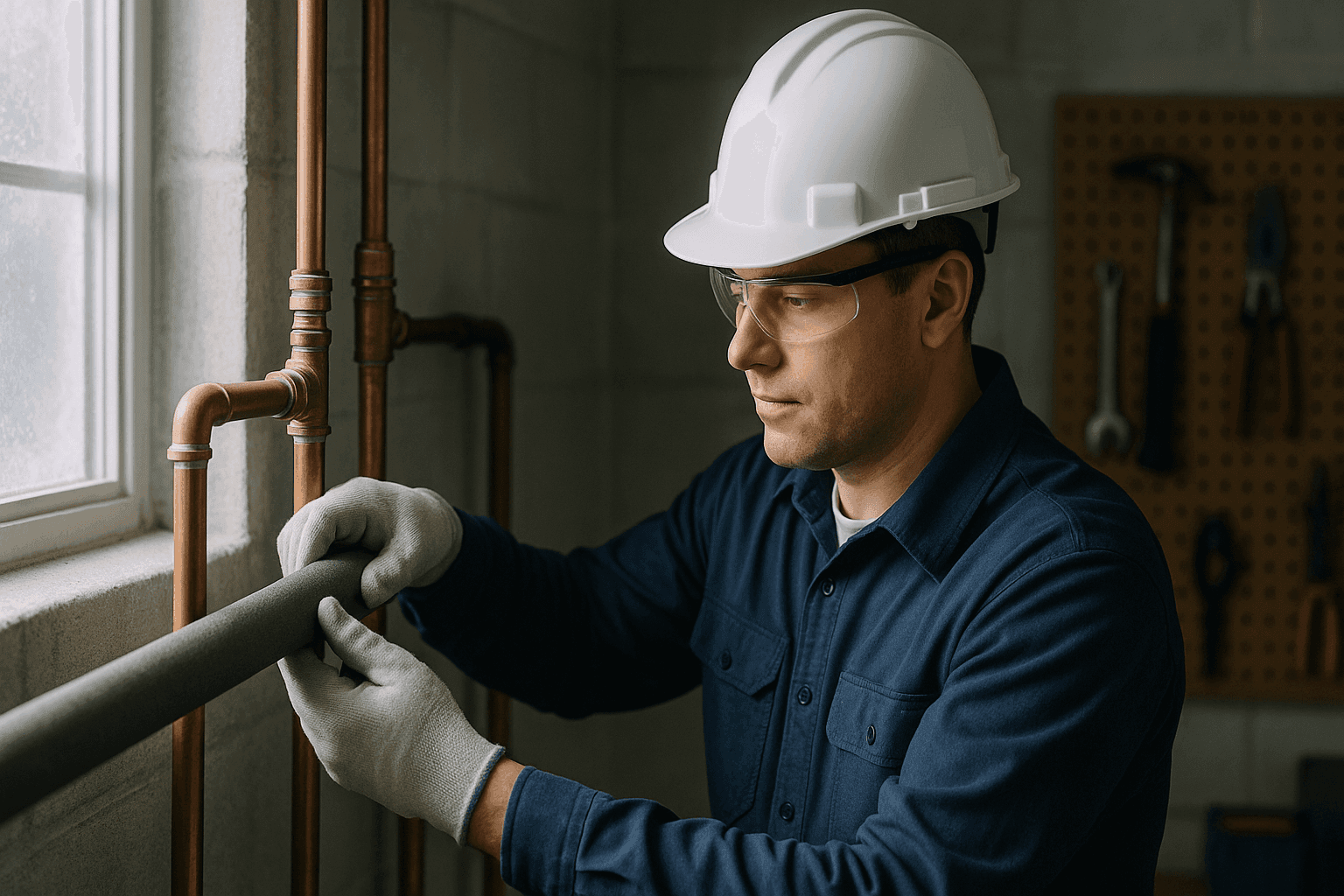
When winter hits hard, pipes can become your home’s weakest link. The last thing anyone wants is to wake up to a burst line and water everywhere. It’s the kind of emergency plumbing call that Sky High Plumbing handles every cold season—fast.
Every year, we see the same story: temperatures drop, pipes freeze, and families or businesses face unexpected chaos. But it doesn’t have to be that way. With the right know-how and a little prep, you can keep your plumbing flowing—no matter how low the mercury goes.
Why Pipes Freeze
Pipes freeze for a simple reason: water expands as it turns to ice. That expansion packs a punch, building pressure inside the pipe until—crack!—the pipe splits or bursts. It’s like squeezing a sealed soda can in a freezer; sooner or later, something gives.
But not all pipes are equal. Some are on the front lines, more vulnerable than others:
- Exposed pipes in unheated basements, crawl spaces, attics, garages, or outdoors.
- Pipes along exterior walls, especially where insulation is thin or missing.
- Plumbing under sinks next to outside walls.
- Older pipes made of materials with less flexibility, like iron or rigid PVC.
And it takes less cold than you think. According to the Insurance Institute for Business & Home Safety, pipes can freeze when outdoor temperatures dip below 20°F (-7°C)—sometimes even higher if the wind finds its way in.
DIY Prevention Checklist 🧤
Think of winterizing as putting a warm coat on your plumbing. Here’s your quick, actionable checklist:
- Insulate pipes in unheated spaces. Use foam sleeves, fiberglass wrap, or even old towels in a pinch.
- Seal gaps and cracks in walls, floors, and foundations near pipes with caulk or spray foam.
- Keep cabinet doors open under sinks to let warm air circulate around plumbing.
- Let faucets drip—just a trickle can keep water moving and prevent freezing.
- Set your thermostat to at least 55°F (13°C), even when you’re away.
- Disconnect garden hoses and shut off outdoor spigots from inside, draining lines fully.
- Check sump pumps and battery backups; a frozen or failed sump pump can mean basement flooding.
- Know your water shutoff location. In an emergency, seconds count.
What to Do If a Pipe Freezes
Maybe you turn on a faucet and nothing comes out. Maybe you spot frost on a pipe. Don’t panic—but act quickly.
- Turn off the main water supply if you suspect a burst.
- Open faucets to relieve pressure and let water escape as ice melts.
- Apply gentle heat—a hairdryer, heating pad, or warm towels work. Never use an open flame.
- Start at the faucet end and work toward the frozen section.
- Check for leaks once water flows again. If you see any, shut off the supply and call for help.
If you can’t safely reach the frozen area—or you hear hissing, see bulging, or notice water stains—call Sky High Plumbing for emergency plumbing support right away.
Professional Winterization Services 🛠️
DIY can go a long way, but some jobs are best left for the pros, especially in freeze-prone neighborhoods or for complex plumbing systems.
Here’s what Sky High Plumbing brings to the table:
- Thorough inspection of all vulnerable pipes, including hidden lines in walls or ceilings.
- Up-to-code insulation using materials that meet International Plumbing Code (IPC) and local safety standards.
- Pipe rerouting or upgrades for high-risk areas.
- Sump pump checks and recommendations for battery backups.
- Backflow prevention to stop contaminated water from reversing during freeze-thaw cycles.
- Water heater maintenance—because hot water becomes a lifeline in winter.
- Gas line safety checks for homes with hydronic heating or boiler systems.
Our team is trained to spot issues before they become emergencies. And if you ever do have a freeze, we know how to thaw safely, repair quickly, and get your plumbing back online—fast.
How to Identify Risk Areas
Every property is different. Look for:
- Pipes in unheated areas: Basements, garages, attics, crawl spaces.
- Exterior plumbing: Hose bibs, irrigation lines, pool supply lines.
- Kitchens and bathrooms on outside walls: Especially older homes with original insulation.
- Previous freeze zones: Places where pipes have frozen (or burst) in the past.
Use a flashlight. Feel for cold drafts. If you find pipes that are cold to the touch or see frost, those are your targets for extra attention.
Emergency Thawing: What Not to Do
It’s tempting to go nuclear when a pipe is frozen. Don’t use torches, lighters, or any open flames—a leading cause of house fires in winter. Stick to safe heat sources and call Sky High Plumbing if you’re unsure.
Cost of Repairs vs. Prevention
Let’s talk numbers. Repairing a burst pipe often means:
- Water damage to drywall, floors, and personal items.
- Mold cleanup and restoration costs.
- High water bills from undetected leaks.
- Emergency plumbing fees—which can spike during a cold snap.
According to the American Red Cross, a single burst pipe can cause thousands of dollars in damage. By contrast, insulating pipes and taking preventative steps is affordable and lasts for years.
A little prevention is like an umbrella in a storm—much cheaper than replacing the roof.
When to Call for Emergency Plumbing 🚨
Winter doesn’t wait for business hours. Call Sky High Plumbing if:
- You spot a burst pipe or water pouring out.
- You can’t thaw a frozen pipe safely.
- There’s no water in part or all of your property.
- You notice a sudden drop in water pressure.
- You hear strange hissing or see bulging pipes.
Residential or commercial, we’re on call 24/7 for emergencies. Quick action can mean the difference between a minor fix and major repairs.
Frequently Asked Questions
How can I tell if my pipes are frozen?
If you turn on a faucet and only a trickle comes out—or nothing at all—pipes may be frozen. Look for frost, bulging, or odd smells (especially in drains). If you’re unsure, it’s smart to get a pro opinion.
How long does it take for pipes to freeze?
It depends on location, insulation, and temperature. Pipes can freeze in as little as 6 hours when exposed to sub-20°F temperatures. Wind and drafts speed things up.
What’s the best way to thaw a frozen pipe?
Gently—never with fire. Use a hairdryer, heating pad, or towels soaked in hot water. Always start near the faucet. If you can’t reach the pipe, call for emergency plumbing help.
Is pipe insulation really worth it?
Absolutely. Pipe insulation costs little but saves you from big headaches. The U.S. Department of Energy recommends insulation for any pipes running through unheated areas.
Local and Seasonal Considerations ❄️
Some buildings are magnets for frozen pipes—old homes, businesses with lots of exterior plumbing, or places left vacant in winter. If you travel, ask a neighbor to check on your property. And remember, even mild winters can bring sudden cold snaps.
Sky High Plumbing has years of experience handling freeze-related emergencies in all kinds of weather. We know the quirks of older homes and modern systems alike.
Stay Ahead of Winter Woes
Frozen pipes are a pain—but you don’t have to face them alone. With a little planning and the right backup, you can keep your plumbing running smoothly all season. And if the worst happens, Sky High Plumbing is just a call away, ready to respond in a flash.
Call Sky High Plumbing now — or reach us anytime at 877-730-8216 .