How to Prepare Your Plumbing for Storm Season: Essential Tips for Homeowners and Small Businesses
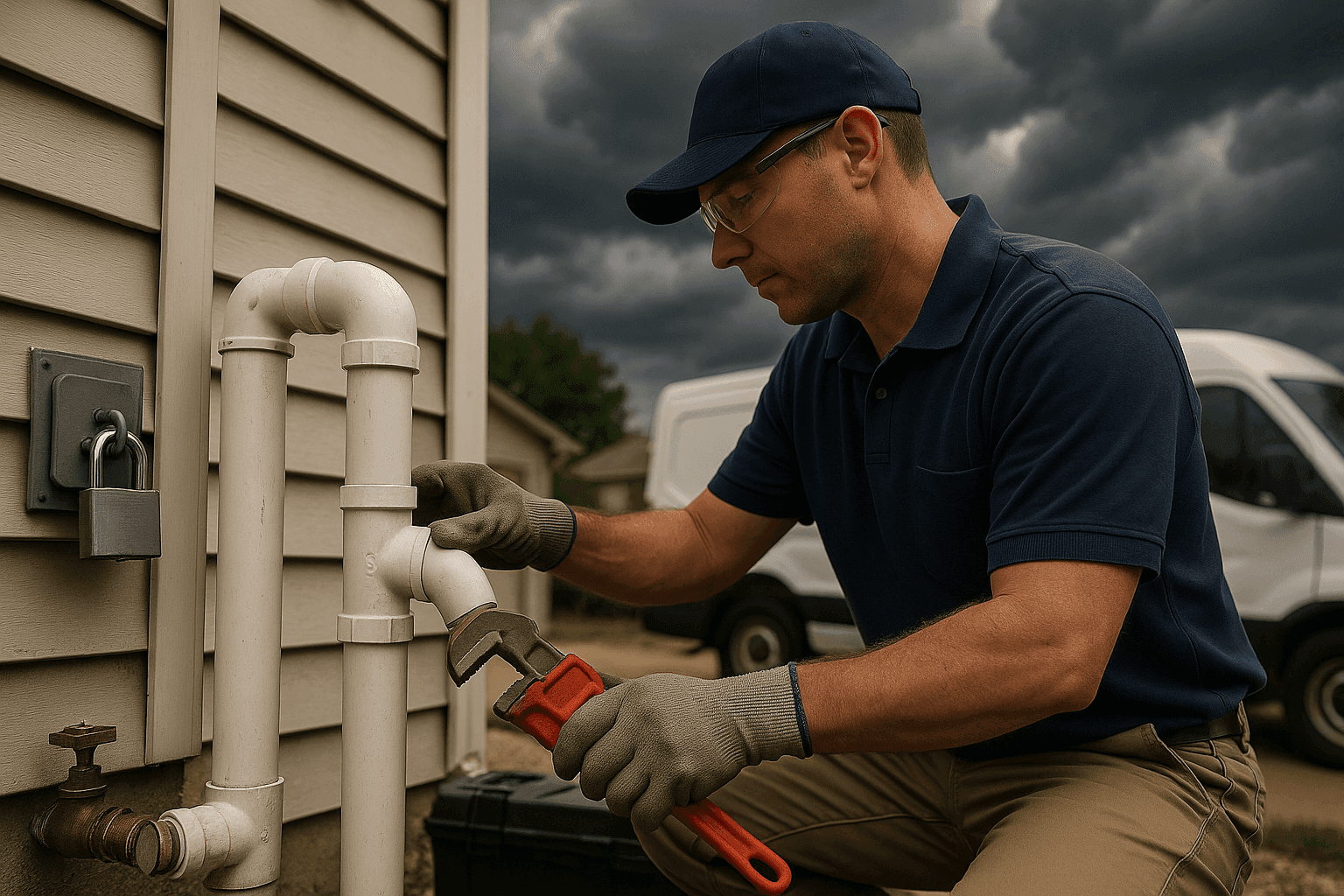
Storm season can turn a peaceful night into a mad scramble. Pipes burst. Toilets overflow. Water creeps in where it shouldn’t. For homeowners and small business owners, these aren’t just inconveniences—they’re emergencies.
At Sky High Plumbing, we’ve seen firsthand how quickly a heavy downpour can become a plumbing nightmare. But with the right steps, you can keep your property—and your peace of mind—intact.
Common Plumbing Risks During Storms 🌧️
Storms are like uninvited guests that bring a whole host of problems with them. Here’s what you might face when the skies open up:
- Burst Pipes: Sudden temperature drops can freeze and crack pipes, turning a trickle into a flood.
- Sewage Backups: Heavy rain can overwhelm sewer lines, causing waste to back up into sinks, tubs, or toilets.
- Leaks and Flooding: Even the smallest crack can let in water, damaging floors, walls, and valuables.
- Clogged Drains: Leaves, debris, and mud can block storm drains and gutters, pushing water back toward your property.
- Sump Pump Failures: If your sump pump isn’t ready, a basement can fill up fast.
The aftermath? Costly repairs, ruined belongings, and sometimes, unsafe water.
Quick Plumbing Safety Checklist
Before the first storm cloud rolls in, take these steps to fortify your plumbing:
- Inspect exposed pipes: Look for cracks, rust, or signs of wear. Insulate pipes in unheated areas.
- Test your sump pump: Pour a bucket of water into the pit. The pump should turn on and drain the water quickly.
- Clear gutters and downspouts: Remove leaves and debris so water flows away from your foundation.
- Secure outdoor fixtures: Tighten hose bibs and disconnect garden hoses.
- Check shut-off valves: Make sure you know where to turn off water in an emergency.
- Schedule leak detection: Professional checks can catch hidden leaks before they become disasters.
Following these steps is like putting on armor before a battle. It won’t stop the storm, but it gives your plumbing a fighting chance.
DIY vs. Call a Pro
Some things you can handle with a wrench and a little elbow grease. Others need a licensed plumber’s touch.
DIY Tasks
- Insulating pipes: Foam sleeves or wrap are easy to install.
- Clearing debris: Gutters and exterior drains can usually be cleaned with gloves and a ladder.
- Testing sump pumps: A simple water test can reveal if your pump is working.
When to Call Sky High Plumbing
- Persistent leaks: If water keeps showing up, it’s time for professional leak detection.
- Sewer smells or backups: These can signal a serious blockage or broken line.
- Low water pressure: This might mean a hidden leak or failing pipe.
- Strange noises: Whistling, banging, or gurgling can indicate trapped air or pressure issues.
Remember, working with gas lines, sewer lines, or complex repairs is best left to licensed professionals who follow plumbing codes and safety standards, such as those outlined by the International Plumbing Code (IPC) and Occupational Safety and Health Administration (OSHA).
What Pros Do On Arrival
When you call Sky High Plumbing for emergency plumbing help, here’s what to expect:
- Rapid assessment: We’ll locate the source of the problem—fast.
- Leak detection: Using advanced tools, we find hidden leaks without tearing up your property.
- Pipe repair or replacement: Damaged sections are fixed or swapped out to restore flow.
- Drain clearing: Blockages are removed with professional-grade equipment.
- Sump pump service: We test, repair, or replace pumps to keep basements dry.
- Safety checks: Gas lines and backflow prevention devices are inspected for hazards.
Our team works efficiently, following all relevant safety guidelines, to minimize damage and get your plumbing back in shape.
Prevention & Maintenance for Storm Season
An ounce of prevention is worth a pound of cure—especially when it comes to plumbing. Here’s how to stay ahead of the next storm:
- Annual inspections: Schedule a licensed plumber to check pipes, valves, and fixtures once a year.
- Install water alarms: These devices alert you to leaks before they become floods.
- Upgrade sump pumps: Consider battery backups to keep pumps running during power outages.
- Backflow prevention: Have a pro test and maintain your backflow devices to keep contaminated water out.
- Seal cracks: Inspect your foundation and seal any openings that could let water in.
- Clean drains regularly: Avoid grease, wipes, and debris that can clog pipes.
The National Association of Home Builders and the Environmental Protection Agency (EPA) both recommend regular plumbing maintenance to protect property and water quality.
Costs & Time Factors
Plumbing emergencies don’t just cost money—they cost time. Here’s what to expect:
- Minor fixes: Clearing a clogged drain or tightening a fixture can take under an hour.
- Leak repairs: Finding and repairing a leak may take 1–3 hours, depending on accessibility.
- Major repairs: Replacing burst pipes or fixing sewer lines can take several hours or more.
- Costs: Prices vary based on the issue, materials, and time of service. Emergency plumbing calls after hours or on holidays may carry higher rates.
Investing in preventative maintenance often costs far less than repairing storm damage. Think of it as insurance for your plumbing.
When It’s an Emergency 🚨
Some plumbing problems just can’t wait. Call for emergency plumbing help if you notice:
- Water pouring from ceilings, walls, or floors
- Sewage backing up into sinks, tubs, or toilets
- No water flow at all
- Gas smells or suspected leaks
- Flooding near electrical outlets or panels
In any emergency, shut off your main water valve immediately. Then, contact a licensed plumber who can respond quickly and safely.
FAQ: Storm-Ready Plumbing
Q: How do I find my main water shut-off valve?
A: Look where the water line enters your building—often near the water heater or in a basement. Tag it for quick access.
Q: Can I use chemical drain cleaners during a storm?
A: It’s best to avoid them. They can damage pipes and are less effective against storm debris. Use a plunger or call a pro.
Q: Should I turn off my water heater before a storm?
A: If you expect flooding, yes. This protects the unit and prevents electrical hazards.
Q: How often should sump pumps be serviced?
A: Test them every few months and have them professionally checked at least once a year.
Special Considerations for Storm-Season Plumbing
- Older properties: May have outdated pipes or fixtures more prone to leaks and bursts.
- Businesses with basements: Install water alarms and backup sump pumps for added protection.
- Properties with trees: Roots can invade sewer lines, especially after heavy rain. Schedule regular sewer line inspections.
- Backflow risks: Flooding can force contaminated water into clean lines. Backflow prevention devices are a must for safety.
Staying storm-ready isn’t just about avoiding inconvenience. It’s about protecting your investment, your health, and your peace of mind.
Call Sky High Plumbing now — or reach us anytime at 877-730-8216 .